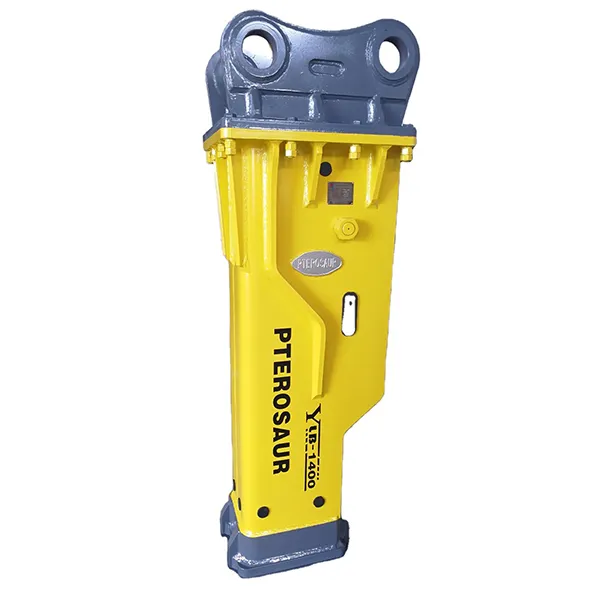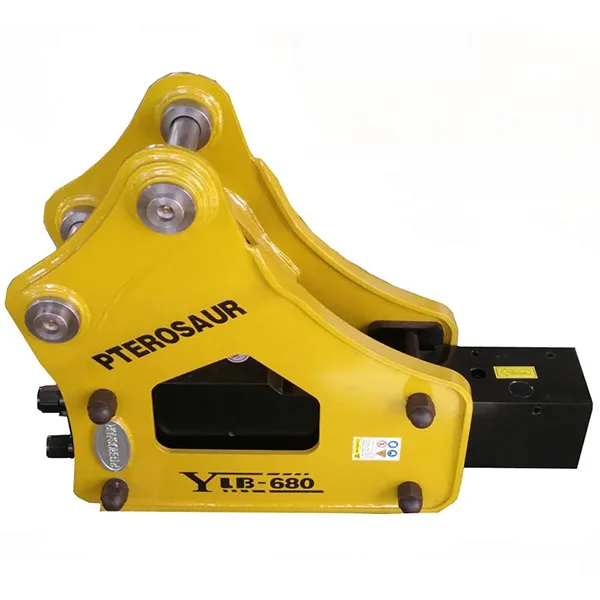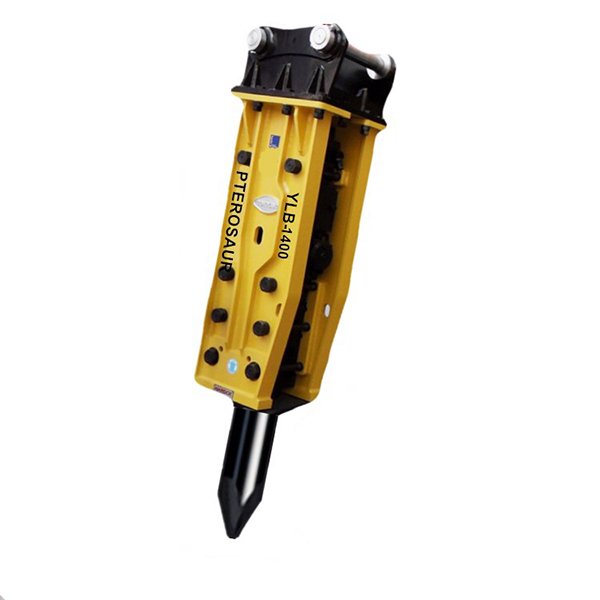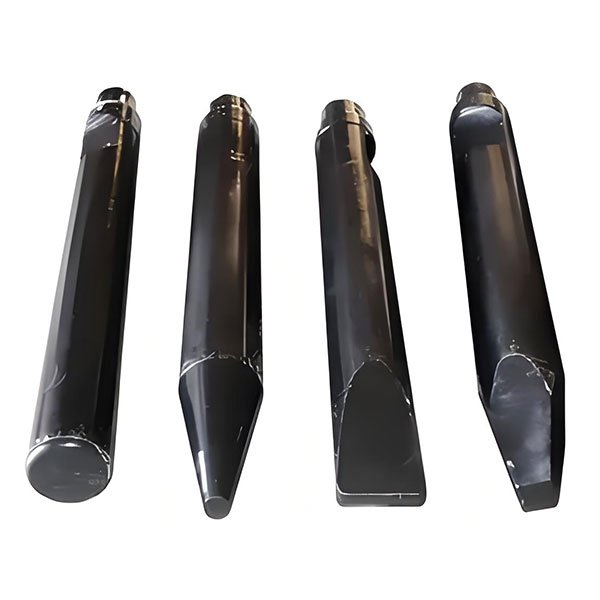
Selecting the right hydraulic breaker for your excavator is crucial for maximizing efficiency, productivity, and equipment longevity. Whether you’re working in demolition, mining, or construction, choosing the best hydraulic breaker for excavator ensures optimal performance and cost-effectiveness. This guide will help you make an informed decision by considering key factors such as excavator compatibility, breaker size, working conditions, and maintenance requirements.
Match the Hydraulic Breaker to Your Excavator’s Specifications
The first step in choosing a hydraulic breaker for excavator is ensuring compatibility with your machine. Consider the following:
- Excavator Weight & Hydraulic Flow: The breaker must match your excavator’s operating weight and hydraulic flow rate. An oversized breaker can damage your machine, while an undersized one will underperform.
- Carrier Class Recommendations: Manufacturers provide compatibility charts—check if the breaker suits your excavator’s class (e.g., mini, mid-size, or large excavators).
Determine the Right Breaker Size for Your Job
Hydraulic breakers come in various sizes, each suited for different applications:
- Small Breakers (500-1,500 ft-lb): Ideal for light demolition and concrete work on mini excavators.
- Medium Breakers (1,500-4,500 ft-lb): Suitable for general demolition, quarrying, and trenching.
- Large Breakers (4,500+ ft-lb): Best for heavy-duty rock breaking and large-scale demolition.
Choosing the correct hydraulic breaker for excavator based on job requirements ensures efficiency and prevents unnecessary wear.
Consider the Material Being Broken
Different materials require varying impact energy and frequency:
- Concrete & Asphalt: Medium breakers with higher blow rates work best.
- Hard Rock & Heavy Demolition: High-impact breakers with lower frequency are more effective.
Selecting a hydraulic breaker for excavator that matches material hardness improves productivity and reduces downtime.
Evaluate the Breaker’s Build Quality & Features
A durable hydraulic breaker for excavator should have:
- Robust Housing: Protects internal components from shock and wear.
- Auto-Control System: Adjusts power based on material resistance, reducing energy waste.
- Silence & Vibration Reduction: Essential for urban projects with noise restrictions.
Investing in a high-quality hydraulic breaker for excavator minimizes maintenance costs and extends service life.
Check Maintenance & Service Requirements
A reliable hydraulic breaker for excavator should offer:
- Easy Access to Wear Parts: Simplifies replacements and reduces downtime.
- Sealed Lubrication System: Prevents contamination and extends component life.
- Availability of Spare Parts: Ensures quick repairs when needed.
Choosing a hydraulic breaker for excavator with low maintenance needs improves long-term cost efficiency.
Compare Brands & Read Customer Reviews
Research different manufacturers and read user feedback to find the best hydraulic breaker for excavator. Look for:
- Reputation for Durability: Trusted brands often provide better reliability.
- Warranty & Support: A good warranty indicates confidence in product quality.
Conclusion
Choosing the right hydraulic breaker for excavator involves assessing compatibility, job requirements, material hardness, build quality, and maintenance needs.
By following these guidelines, you can enhance performance, reduce operational costs, and extend equipment lifespan.
For expert advice on selecting the best hydraulic breaker for excavator, consult with industry professionals or trusted suppliers to ensure optimal results for your projects.