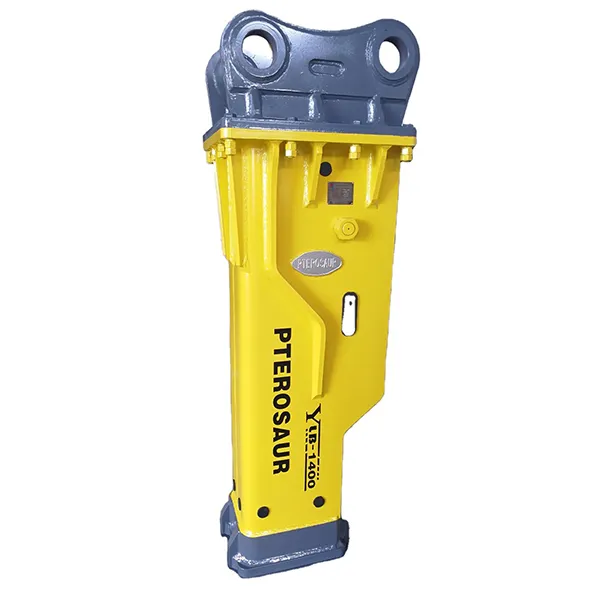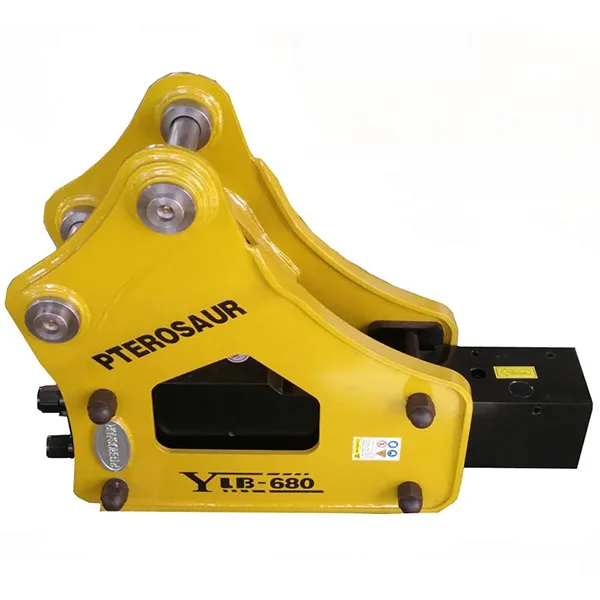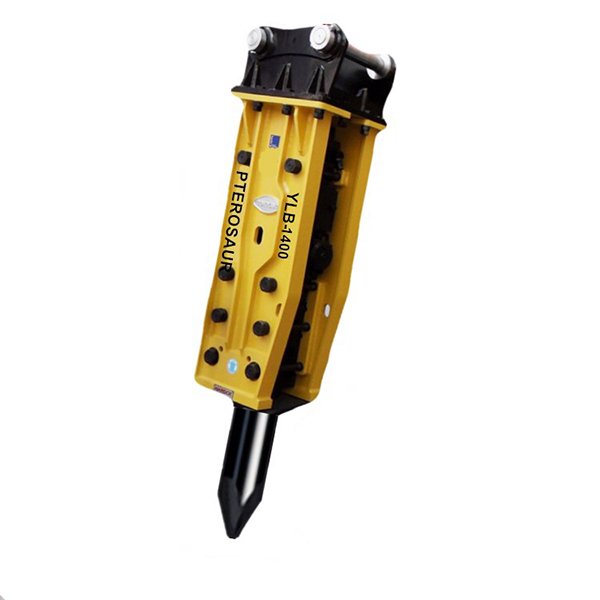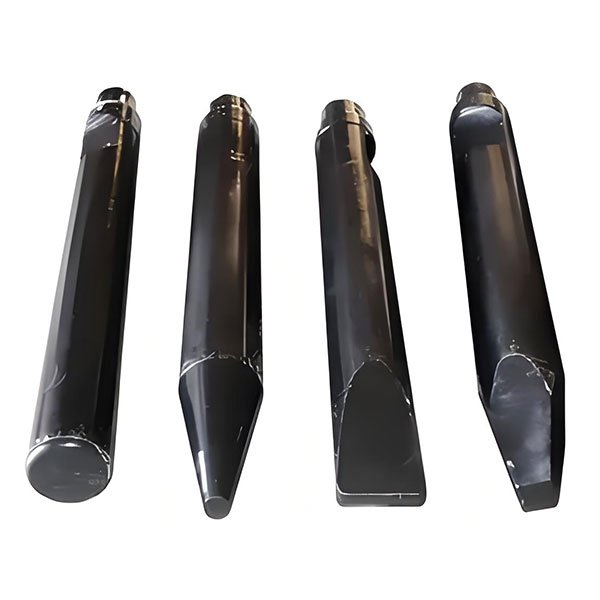
A hydraulic hammer (also known as a hydraulic breaker) is a powerful attachment used in demolition, mining, and construction. Proper maintenance ensures longevity, efficiency, and safety. In this guide, we’ll discuss essential steps on how to maintain a hydraulic hammer to maximize performance and minimize downtime.
1. Regular Inspection of the Hydraulic Hammer
Before and after each use, inspect the hydraulic hammer for:
- Cracks or damageon the body, bushings, and tool (chisel/moil point).
- Loose bolts and fasteners—tighten them to prevent excessive vibration.
•Hydraulic leaks in hoses, seals, and connections.
Routine checks help detect early wear and prevent costly repairs.
2. Proper Lubrication for Smooth Operation
A well-lubricated hydraulic hammer reduces friction and wear. Follow these steps:
- Use the right grease: High-quality, high-temperature grease is recommended.
- Lubricate the tool bushingevery 2 hours of operation.
- Check the auto-lubrication system(if equipped) to ensure consistent grease flow.
- Neglecting lubrication can lead to overheating and premature failure.
3. Monitor Hydraulic Fluid and Pressure
The hydraulic hammer relies on the excavator’s hydraulic system. Maintain optimal performance by:
- Checking hydraulic fluid levelsregularly.
- Using clean, filtered hydraulic oilto prevent contamination.
- Ensuring correct operating pressure(refer to the manufacturer’s specifications).
Incorrect pressure can damage the hammer or reduce efficiency.
4. Replace Worn-Out Parts Promptly
Common wear parts in a hydraulic hammer include:
- Chisels and moil points(replace when worn or cracked).
- Pistons and seals(check for leaks and impact damage).
- Bushings and retainers(inspect for excessive play).
Delaying replacements can cause further damage to the hammer.
5. Avoid Dry Firing (Running Without Impact)
Dry firing occurs when the hydraulic hammer operates without striking a surface. This can:
- Damage internal components(piston, cylinder, and seals).
- Cause excessive vibration, leading to cracks.
Always ensure the hammer contacts material before activation.
6. Store the Hydraulic Hammer Properly
When not in use:
- Clean the hammerto remove dirt and debris.
- Store in a dry, covered areato prevent rust.
- Release hydraulic pressureif storing for long periods.
Proper storage extends the lifespan of your hydraulic hammer.
7. Follow Manufacturer’s Maintenance Schedule
Each hydraulic hammer model has specific maintenance guidelines. Always:
- Refer to the user manualfor service intervals.
- Use genuine spare partsfor replacements.
- Schedule professional inspectionsannually.
Conclusion
Knowing how to maintain a hydraulic hammer ensures peak performance, reduces repair costs, and extends service life. By following these best practices—regular inspections, proper lubrication, hydraulic system care, and timely part replacements—you can keep your hydraulic hammer running efficiently for years.
For more expert tips on how to maintain a hydraulic hammer, consult your equipment supplier or manufacturer. Proper care today means fewer breakdowns tomorrow!